The short answer
Yes — split-rim (multi-piece) alloys can be repaired, and one of their advantages is that individual sections can often be repaired or replaced rather than scrapping the whole wheel. But they must be handled by a specialist. A split-rim wheel is built from two or three bolted-together sections (centre, outer and sometimes inner barrel) sealed to hold air. Repairing one means correctly dismantling, repairing or replacing the damaged section, re-sealing and re-assembling with the bolts torqued correctly. The face/centre can usually be refinished or even diamond cut; a damaged barrel section can sometimes be replaced. The critical safety points are the sealing and the assembly bolts — these are not DIY wheels.
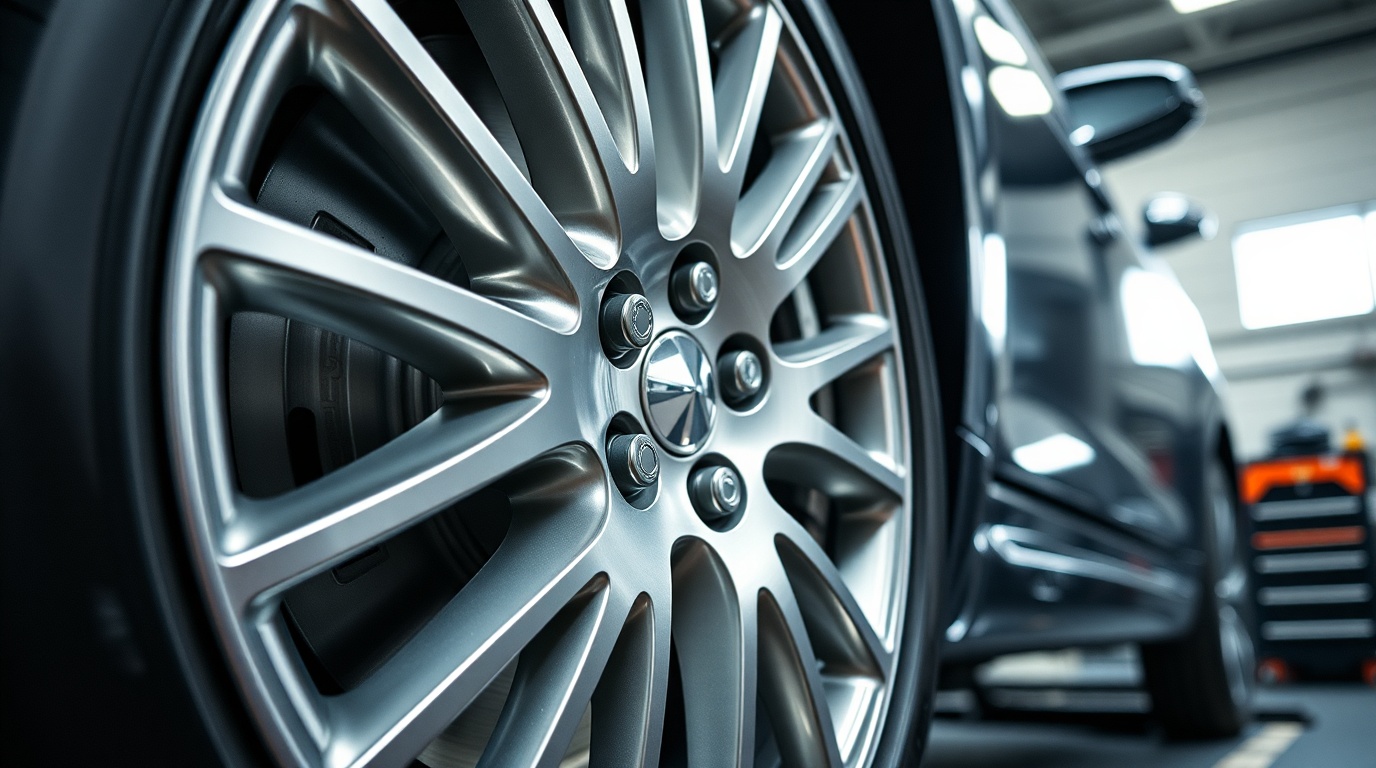
Split-rim wheels look distinctive with their visible bolts around the rim, and they are repaired differently from one-piece alloys. Their multi-piece construction is both their advantage and the reason they need specialist care.
Split-rim alloys — key facts
- Construction2–3 bolted, sealed sections
- Repairable?Yes — often by section
- Who should do itA multi-piece wheel specialist
- Critical to safetySealing and bolt torque
- AdvantageIndividual sections can be replaced
How split-rim wheels are built
A split-rim, or multi-piece, wheel is assembled from separate sections rather than cast as one piece. Typically:
- Two-piece — a centre/face section and a rim (barrel) section bolted together.
- Three-piece — a centre, an outer rim half and an inner rim half, all bolted together.
The sections are joined with a ring of assembly bolts and a sealant that makes the joint airtight so the wheel holds tyre pressure. The visible bolts around the rim are the giveaway that a wheel is multi-piece. This construction is common on certain performance and aftermarket wheels.
The big practical difference from a one-piece cast alloy is that a multi-piece wheel can be taken apart. That is why a damaged section can sometimes be repaired or swapped without replacing the entire wheel — but it also means the seal and the bolts become safety-critical, because they are what hold the wheel together and keep it airtight.
What can and can't be repaired
Because the wheel comes apart, the repair options depend on which section is damaged:
| Damage / area | Typical option | Notes |
|---|---|---|
| Kerb scuffs on the face/centre | Refinish (paint or diamond cut) | Standard cosmetic work on the centre |
| Corrosion on the rim section | Strip and refinish the section | Dismantle, treat, re-seal on rebuild |
| Damaged / buckled barrel section | Repair or replace that section | Advantage of multi-piece design |
| Failed air seal at the joint | Re-seal on reassembly | Critical to hold tyre pressure |
| Crack on a load-bearing section | Specialist assessment | May mean replacing the section |
| Worn / corroded assembly bolts | Replace to spec | Must be correct bolts, torqued right |
Indicative guidance only — every multi-piece wheel repair must be assessed by a specialist.
Why split-rim repair is specialist work
Repairing a multi-piece wheel safely involves more than refinishing. A responsible specialist will:
- Dismantle the wheel correctly, keeping track of how it goes back together.
- Repair or replace the damaged section — refinishing the centre, treating corrosion, or sourcing a replacement barrel half where needed.
- Re-seal the joint with the correct sealant so the wheel is airtight again.
- Reassemble using the correct assembly bolts, torqued to the proper specification in the right pattern.
- Pressure-test and balance the rebuilt wheel before it goes back into service.
Done properly, split-rim wheels are very repairable and their construction is an advantage — you can often save an expensive wheel by replacing just one section. Done improperly, the joint can leak or, worse, the assembly can be compromised. For that reason, split-rim repair should always go to someone who specialises in multi-piece wheels, with replacement of any section that is cracked or beyond safe repair. As with any wheel, a structural crack on a critical section is a strong reason to replace that section rather than attempt a repair.
Split-rim versus one-piece: cost, time and longevity
It helps to understand how repairing a multi-piece wheel compares with a standard one-piece cast alloy, because the differences shape what to expect on cost, turnaround and long-term ownership:
- Turnaround tends to be longer. A one-piece refurbishment is a single strip-and-refinish cycle. A split-rim repair adds dismantling, sectional work, re-sealing and careful reassembly with pressure-testing, so it is a more involved job and usually takes longer.
- Cost depends on what is damaged. Refinishing just the centre of a multi-piece wheel can be comparable to a normal refurbishment. Replacing a barrel section, by contrast, brings in the cost of the replacement part on top of the labour — though that is still often far cheaper than writing off an expensive performance wheel entirely.
- Parts availability matters. The ability to replace a single section depends on that section being obtainable for the specific wheel. For some sought-after or older wheels, sourcing a matching barrel half can take time, and that should be factored into any plan.
- Repeatability is a genuine advantage. Because the wheel comes apart, a multi-piece wheel can be serviced and refreshed over a long life — a real benefit for owners keeping a car for years.
The practical takeaway is that split-rim wheels reward being treated as the specialist items they are. Their construction means a damaged wheel is rarely a write-off — most often a section can be repaired or replaced and the wheel rebuilt — but the airtight seal and the correctly torqued assembly bolts are what keep them safe, so the work belongs with someone who specialises in multi-piece wheels. Approached that way, a split-rim wheel can be kept sound and looking right for far longer than its initial damage might suggest, and at a fraction of the cost of replacing it outright.
Frequently asked questions
What is a split-rim or multi-piece alloy wheel?
A split-rim wheel is built from two or three separate sections — a centre and one or two rim halves — bolted together and sealed to hold air, rather than cast as one piece. The visible ring of bolts around the rim is the usual sign. They are common on certain performance and aftermarket wheels.
Can you repair just one section of a split-rim wheel?
Often yes — that is an advantage of multi-piece construction. A damaged rim or barrel section can sometimes be repaired or replaced without scrapping the whole wheel, and the centre can usually be refinished or diamond cut. The wheel is then re-sealed and reassembled by a specialist.
Why do split-rim wheels need a specialist?
Because a multi-piece wheel relies on an airtight seal at the joint and correctly specified, correctly torqued assembly bolts to stay together and hold pressure. Reassembling one improperly can cause leaks or compromise the wheel's integrity, so dismantling, sealing and rebuilding should be done by a multi-piece wheel specialist.
Sources & further reading
- TyreSafe — wheel and tyre condition and safety guidance
- GOV.UK — MOT inspection manual: road wheels and tyres
Figures on this page are typical UK ranges drawn from published sources and depend on your specific wheels. They are guidance, not a quotation.