The short answer
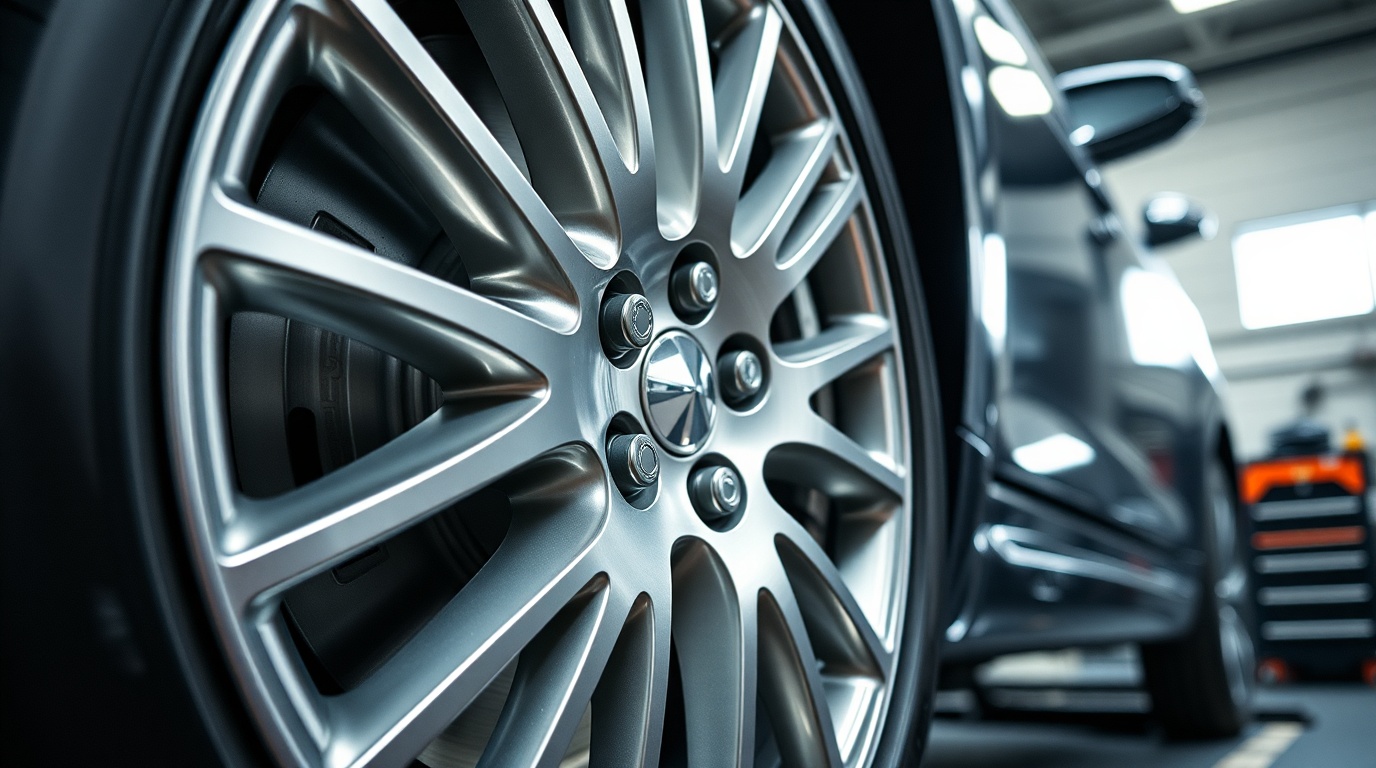
You can usually tell whether alloys are diamond cut or painted by looking closely at the face in good light. A diamond-cut wheel has a bright, machined surface with very fine concentric lathe lines, like the grooves on a vinyl record, giving a near-mirror metallic shine; the recessed areas are often painted a contrasting colour while the raised face is machined metal, so it has a two-tone look. A painted (or powder-coated) wheel has a uniform, solid colour with no fine machine lines and a consistent finish across the whole face, whether gloss, satin or matt. Run a fingertip lightly across the face: diamond cut feels very slightly textured from the cutting lines, while paint feels completely smooth. Diamond-cut wheels are also more prone to a cloudy or corroded look at the edges where moisture gets under the lacquer. Knowing which you have matters, because diamond-cut refinishing needs a CNC lathe that not every company has.
Identifying your finish before you book a refurbishment saves confusion and helps you choose the right company. The tests are quick and need no tools — just a careful look and a light touch.
Quick identification
- Diamond cutFine lathe lines, mirror-like shine
- PaintedUniform colour, no machine lines
- Two-tone lookOften points to diamond cut
- Touch testDiamond cut slightly textured
- Why it mattersDiamond cut needs a CNC lathe
The visual test: look for machine lines
The most reliable way to identify a finish is simply to look at the face of the wheel closely, in good daylight. The two finishes look genuinely different once you know what to look for.
A diamond-cut wheel has a bright, machined metal face. Because the surface was cut on a lathe, it carries very fine concentric lines — circular grooves following the shape of the wheel, a little like the grooves on a vinyl record. These catch the light and give the face a sharp, near-mirror metallic shine that solid paint cannot quite replicate. Diamond-cut wheels are also very often two-tone: the recessed parts of the spokes and the gaps between them are painted a colour (commonly black, grey or silver), while the raised front face is the machined bright metal. That combination of a bright machined face and painted recesses is a strong giveaway.
A painted wheel — or a powder-coated one, which looks similar — has a uniform, solid colour across the whole face, with no fine machine lines. Whether it is gloss black, silver, anthracite, matt grey or any other colour, the finish is consistent and even, without the concentric shimmer of a machined surface. If the whole wheel is one solid colour and you cannot see any fine circular lines in the face, it is painted or powder-coated rather than diamond cut.
The touch test and the edges
If the visual test leaves you unsure, two more checks usually settle it.
The touch test. Run a clean fingertip lightly across the front face of the wheel. A diamond-cut surface feels very slightly textured, because the fine lathe lines create a subtle grain you can sometimes feel as well as see (the lacquer over them is smooth, but the machined pattern is still detectable). A painted or powder-coated face feels completely smooth and uniform, with nothing to catch the finger. The difference is subtle, so combine it with the visual check rather than relying on touch alone.
The edges and any damage. The way a finish fails also reveals what it is. Diamond-cut wheels are particularly prone to a milky, cloudy or white corroded appearance at the rim lip and edges, where moisture works under the lacquer and reacts with the bare machined aluminium beneath. If you see that cloudy, almost frosted look creeping in from the edges, the wheel is very likely diamond cut. A kerb scuff also tells you: on a diamond-cut wheel, a scrape exposes bright bare metal against the machined face, whereas on a painted wheel a scuff shows primer or the alloy under a solid colour. Painted finishes tend instead to chip or peel rather than develop that frosted edge corrosion.
| Clue | Diamond cut | Painted / powder-coated |
|---|---|---|
| Fine machine lines | Yes, concentric | None |
| Shine | Bright, near-mirror metal | Solid even colour |
| Two-tone face | Common | Usually one colour |
| Touch | Slightly textured | Smooth and uniform |
| Edge failure | Cloudy, frosted corrosion | Chipping or peeling |
Indicative identification clues for guidance only.
Why knowing your finish matters
Identifying whether your wheels are diamond cut or painted is not just trivia — it directly affects who can refurbish them and how. Getting it right before you book saves time and avoids disappointment.
Diamond-cut refinishing needs a CNC lathe. Reproducing that machined face means re-cutting the metal on a wheel lathe, which is a significant piece of equipment that not every refurbisher has. If your wheels are diamond cut and you want to keep that look, you specifically need a company that offers diamond-cut refinishing, not just painting. A painter alone cannot recreate the machined shine.
Diamond-cut wheels can only be re-cut a limited number of times. Each re-cut removes a little metal from the face. After a few cuts there is not enough material left to cut again safely, at which point the wheel is usually painted or powder-coated instead. Knowing your wheels are diamond cut helps you understand this and ask the refinisher how much life is left in them.
Painted and powder-coated wheels are more widely serviced and can be refinished in any colour, since the wheel is stripped and re-coated. If yours are painted, your choice of company is broader and a colour change is straightforward.
So before you compare quotes, identify your finish using the visual and touch tests above. If you are still unsure, a reputable refurbisher can confirm it for you — and a company that quietly substitutes a painted silver finish for a diamond-cut one, without telling you, is one to avoid. Matching the finish to the right method, and the right company, is the foundation of a refurbishment you will be happy with.
Frequently asked questions
What is the quickest way to spot a diamond-cut wheel?
Look closely at the face in good light for very fine concentric machine lines and a bright, near-mirror metallic shine, often with painted recesses giving a two-tone look. If you can see those fine circular lines and the face looks like machined metal rather than solid colour, it is diamond cut.
Why do diamond-cut wheels go cloudy at the edges?
The bright face is bare machined aluminium sealed only by a thin lacquer. Where the lacquer is breached, often at the rim lip or a kerb mark, moisture gets underneath and reacts with the metal, producing a milky, frosted or white corroded look that spreads from the edge. That frosted edge appearance is a strong sign a wheel is diamond cut.
Does it matter whether my wheels are diamond cut or painted?
Yes, for refurbishment it matters a great deal. Diamond-cut refinishing needs a CNC wheel lathe that not every company has, and a diamond-cut wheel can only be re-cut a limited number of times before it must be painted or powder-coated. Painted wheels are more widely serviced and easier to change colour, so knowing your finish helps you choose the right company.
Sources & further reading
- RAC Drive — Alloy wheel repair and refurbishment advice
- Checkatrade — Alloy wheel refurbishment cost guide
Figures on this page are typical UK ranges drawn from published sources and depend on your specific wheels. They are guidance, not a quotation.